Merton Council Parking Permits for Removals in Motspur Park
Posted on 10/06/2026

Merton Council Parking Permits for Removals in Motspur Park: A Practical Guide for a Smoother Moving Day
Moving home in Motspur Park sounds straightforward until the van arrives and the only space outside your property is already taken. That is usually the moment people realise how much a parking permit can matter. If you are trying to organise Merton Council Parking Permits for Removals in Motspur Park, the goal is simple: keep the vehicle close, avoid unnecessary delays, and make the day less chaotic for everyone involved.
This guide explains how parking permits usually fit into a removal plan, why they matter in a busy residential area like Motspur Park, and how to avoid the common little snags that can turn a tidy move into a stressful one. We will also cover planning tips, compliance best practice, and the sort of real-world decisions that make moving day run much more smoothly. Honestly, a bit of preparation here saves a lot of faffing later.
Why Merton Council Parking Permits for Removals in Motspur Park Matters
Parking can make or break a moving day. In a neighbourhood like Motspur Park, where driveways can be tight and on-street space is limited, a removal van parked legally and close to the door can dramatically reduce lifting distance, time on site, and the chance of disruption. It also helps when neighbours are trying to get out for work, school runs are happening, or the road is already feeling narrow with parked cars.
For removals, the parking issue is not just about convenience. It affects access, safety, timing, and sometimes cost. A van that has to park half a street away means extra carries, more steps, more fatigue, and a greater chance of damage to furniture or walls. If you have ever watched someone try to snake a wardrobe round a kerb with a damp morning breeze blowing and a queue of cars behind them, you will know the vibe. Not ideal.
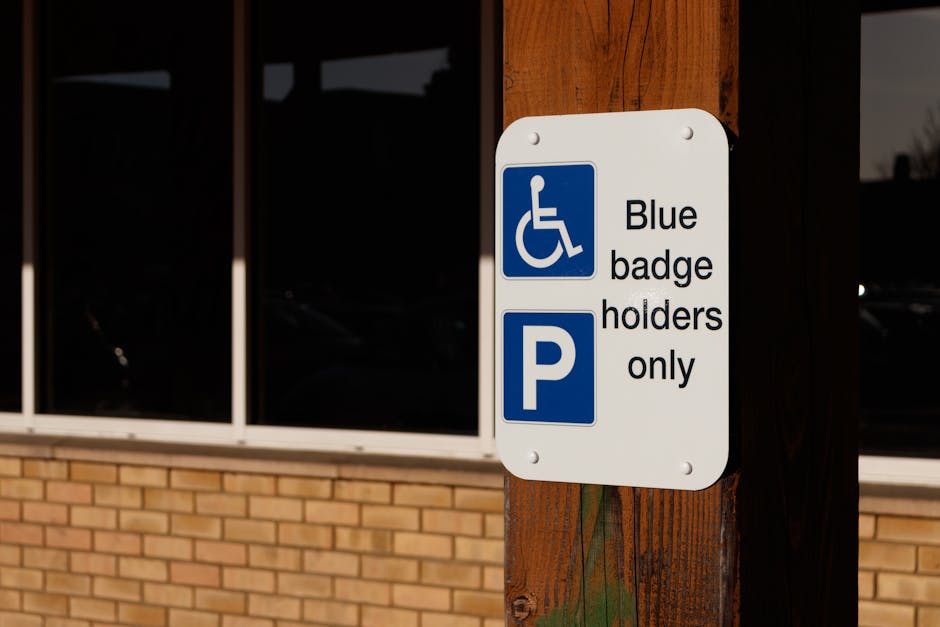
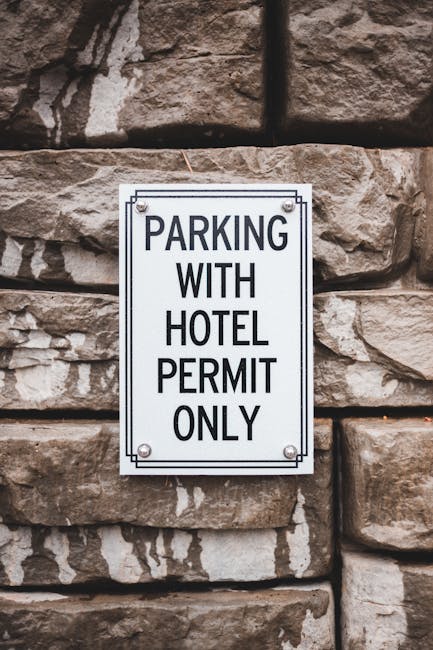
Parking permits also matter because local parking controls are there to manage fairness and traffic flow. Removal vehicles are not automatically exempt from restrictions, and assuming they are can lead to a very awkward morning. The safer approach is to plan in advance, check what is needed for your street, and build the parking arrangement into your move timetable rather than leaving it to luck.
Expert summary: The best removal day is not the one with the flashiest van or the fastest crew; it is the one where access has been thought through before the first box is lifted. A proper parking plan often saves more time than a last-minute sprint ever will.
If you are also fine-tuning the rest of the move, it helps to look at the bigger picture too. Our guide on stressless strategies for your upcoming house move is useful for keeping the whole process calm, not just the parking side of it.
How Merton Council Parking Permits for Removals in Motspur Park Works
In practical terms, the process usually begins with understanding whether your street has controlled parking, restricted bays, yellow lines, or time-limited loading rules. The exact rules can differ by road, time of day, and permit zone, so this is one of those situations where a quick assumption can cost you. The general idea is that if a removal van needs to stop in a controlled location, you may need permission or a permit arrangement that allows loading and unloading.
In many London boroughs, parking arrangements for removals can involve a temporary suspension, a visitor or trade-style permit, or a loading exemption where applicable. The important thing is not to guess which one you need. You want the vehicle positioned legally, with enough space for safe loading, and ideally with no argument halfway through the day about whether the driver can stay there for an hour or two.
For Motspur Park specifically, the safest habit is to plan early and confirm the street conditions before move day. If your removal team is handling a large sofa, a bed frame, or a heavy chest of drawers, the closer the vehicle is to the property, the better. If you are using a service like man with a van in Motspur Park, this becomes even more important because smaller or single-vehicle moves often depend on quick, efficient access.
Timing matters as well. Some parking arrangements are easier to manage outside peak traffic periods, while others need advance notice. Even without exact council rules in front of you, the principle is straightforward: do not leave parking to the day itself. Treat it like part of the removal inventory. Van, boxes, mattress, paperwork, permit. All of it.
And if your move is more complex, say a flat with tight access or a same-day move, the parking plan becomes even more valuable. A delayed van can create a chain reaction: slower loading, frustrated neighbours, and a crew trying to work around avoidable problems. That is the sort of thing nobody wants by 8:30 in the morning.
Key Benefits and Practical Advantages
Getting the parking side right has a few very real advantages. Some are obvious, some only become obvious when things go wrong. Here is the short version.
- Faster loading and unloading: the closer the vehicle, the fewer trips and the less time spent carrying heavy items.
- Lower risk of damage: long carries increase the chance of scraping walls, dropping items, or knocking furniture on door frames.
- Less physical strain: especially helpful for stairs, awkward corners, or bulky items such as wardrobes and sofas.
- Reduced disruption: a clear parking plan keeps the move more orderly and less irritating for neighbours.
- Better schedule control: when access is sorted, your removal crew can focus on the move rather than chasing parking space.
There is also a quiet financial benefit. A move that takes longer because the van is parked badly can lead to more labour time and more stress. Even if your removal is fixed-price, delays can still create knock-on issues elsewhere in the day. If you are comparing options, it is worth checking affordable removals in Motspur Park so you can see how parking, access, and quote quality all fit together.
For larger homes, the gain is even bigger. Think of a family move with beds, boxes, kitchen equipment, and maybe a sofa that seems to have grown in size since last week. Good parking turns a messy logistical puzzle into something manageable. Not glamorous, but very useful.
Who This Is For and When It Makes Sense
This topic matters to quite a few people, not just those with big houses. If you are moving in or out of a terraced street, a flat, a maisonette, or anywhere with limited roadside space, parking planning should be high on your list. It is especially relevant if your property has no driveway or if the closest bay is usually full by mid-morning.
You will likely need to think seriously about permits if you are:
- moving from a street with resident-only bays;
- using a larger removal van or lorry;
- moving on a weekday when parking is busy;
- handling bulky furniture or fragile items;
- arranging a same-day move, where time is already tight;
- working around building access, lifts, or shared entrances.
Students and renters often underestimate this part. It is understandable. If you are leaving a studio or a first flat, the packing and the keys and the landlord emails are already enough to keep your head spinning. But a small move can still need serious access planning, especially in busy streets around Motspur Park and nearby areas. For that kind of move, the advice in our KT3 studio moves removals advice can be a good fit.
It also makes sense for office relocations and business moves. If the van cannot park close to the entrance, the entire team ends up waiting around, which is never a cheerful sight with desks, IT equipment, and paperwork stacked by the door.
Step-by-Step Guidance
Here is a practical way to manage Merton Council Parking Permits for Removals in Motspur Park without making it overly complicated.
- Check your street conditions early. Look at whether your property sits in a controlled parking zone, whether there are loading restrictions, and whether parking is usually busy at your planned moving time.
- Measure access properly. Note the width of the road, any bends, speed humps, or awkward corners. A removal vehicle may need a little more space than you first imagine.
- Choose the right vehicle and crew size. A smaller move may work with a van, while a larger home may need more capacity or more hands. If you need flexibility, removal van support in Motspur Park can help you think through the vehicle side.
- Plan your move window. A morning slot can be better for access and energy levels, but always think about school traffic, commuter parking, and local noise.
- Arrange the permit or suspension well ahead of time. Do not wait until the day before. Local admin takes time, and the worst moment to discover that is when the van is already booked.
- Share clear instructions with the mover. Tell them where to park, what space is available, and whether there is a gate code, loading bay, or awkward staircase involved.
- Keep the loading area clear. Move bins, bikes, and loose items out of the way the day before so the van can stop and work quickly.
- Leave a little buffer. Five or ten minutes of spare time can feel like a luxury, but on moving day it is worth its weight in tea.
If you are still early in the packing stage, make sure that side is under control too. A sensible packing rhythm makes the parking decision much easier because you are not still scrambling for boxes when the vehicle arrives. Our article on how to optimise your packing routine when moving home is a handy companion read.
Expert Tips for Better Results
In our experience, the moves that feel easiest are rarely the ones with no problems at all. They are the ones where the obvious problems were spotted early. Here are a few practical tips that make a genuine difference.
1. Build parking into the quote conversation. If you are getting estimates from local removal services, ask how access and parking are handled. A quote that looks cheap on paper can become awkward if the vehicle has to park far away and the job takes longer than planned. If you are still weighing up providers, removal companies in Motspur Park is a useful place to frame the discussion around service scope, not just price.
2. Use a "first load, last load" plan. Put the heaviest or most fragile items in the order that suits the parking position and the van layout. That way, the team is not repeatedly rearranging things because the mattress is behind six boxes of books. A classic moving-day headache, that one.
3. Keep key items close to the front door. Important documents, keys, chargers, and kettle supplies should not be buried in the last box on the landing. The front-door zone should be calm and obvious.
4. Watch the weather. Rain changes everything. A short carry in dry weather is manageable; the same carry in a light drizzle becomes slippery, slower, and more stressful. Better parking reduces the amount of time exposed to the weather.
5. Think about the neighbours. A friendly heads-up is often enough. You do not need a dramatic announcement, just a quick note if parking will be temporarily affected. Most people are reasonable when they know what is happening.
6. If you have special items, flag them early. Pianos, large sofas, and heavy mattresses all change the access picture. For a piano, for example, the parking plan matters because it reduces handling time and keeps the route safer. You can read more about specialist handling in why handle your piano move with expertise.
Small tip, but useful: put the permit confirmation, if you have one, in your phone notes and print it if needed. That way, if someone asks, you are not rummaging through email while a van idles outside. Been there, not fun.
Common Mistakes to Avoid
Most parking problems on moving day come from simple assumptions. Nothing dramatic. Just the usual "it'll probably be fine" thinking that turns into an unnecessary headache.
- Leaving permit checks until the last minute. This is the big one. Parking rules do not become less complicated just because the move is stressful.
- Assuming a moving van can stop anywhere briefly. Even a short stop can be a problem in controlled streets or restricted bays.
- Forgetting about loading time. A quick unload becomes a long unload if the property is on an upper floor or the van is far away.
- Not checking the exact road name and bay markings. One side of a road may have different restrictions from the other. Sneaky, but common.
- Booking a move without confirming access details. A good removal team can work wonders, but they cannot magic a blocked road into a loading zone.
- Ignoring the impact on fragile items. Extra carrying distance increases risk for mirrors, glass, artwork, and awkward furniture edges.
There is also a psychological mistake, if that is the right word: people sometimes focus so much on box packing that they forget the final ten metres. Yet those last ten metres are often where the stress is. The door threshold, the pavement, the van door, the neighbour's car a bit too close. All of it.
If clutter is part of the issue, sorting it before the move helps massively. It cuts the amount you need to carry, reduces the van load, and makes parking easier because the job is more compact. Our guide on premove decluttering can help with that side of the plan.
Tools, Resources and Recommendations
You do not need a complicated toolkit to get this right. A few simple resources are usually enough.
- Street and bay observations: take a walk outside at the same time of day you plan to move. That tells you more than guessing ever will.
- Phone notes or a moving checklist: keep permit details, vehicle registration, access instructions, and timing in one place.
- Floor plan or room list: especially handy for larger homes or office moves.
- Protective materials: blankets, straps, trolley equipment, and floor protection reduce the knock-on effect of a tight parking setup.
- Removal service information: check what support is included and what the team expects you to arrange in advance.
If you want a broader look at the moving services and support options available locally, the services overview is a practical starting point. For a more detailed sense of how a move is priced and what affects the quote, see pricing and quotes.
Some people also benefit from storage if the timing between properties does not line up neatly. A short-term storage plan can remove pressure on moving day and give you a bit more breathing room. If that sounds like your situation, storage in Motspur Park may be worth a look.
Law, Compliance, Standards, or Best Practice
Parking permits and road restrictions sit within local parking control and highway management rules, so the safest approach is to treat them seriously. You do not need to become a parking-law specialist, but you do need to avoid assumptions. In the UK, especially around London boroughs, controlled parking zones, loading restrictions, and bay rules are there for a reason. Blocking access can trigger fines, complaints, or delays, even if the stop was only meant to be temporary.
Best practice is straightforward:
- check the parking conditions before move day;
- understand whether a permit, suspension, or loading allowance is required;
- make sure the vehicle is parked legally and safely;
- keep the route clear for pedestrians and other road users;
- avoid causing unnecessary obstruction, especially on narrow residential streets.
From a safety perspective, access control is also part of manual handling good practice. Shorter carries reduce strain. Better parking reduces the chance of rushed lifting. That matters whether you are moving a box of books or a mattress up three flights of stairs. If you want more detail on lifting and handling, the article on solo heavy lifting success and our piece on kinetic lifting offer helpful context.
One more thing: compliance is not just about avoiding penalties. It is about keeping the move smooth, safe, and respectful of everyone sharing the street. That is the real standard, really.
Options, Methods, or Comparison Table
Different moves need different parking approaches. Here is a simple comparison to help you decide which route fits best.
| Approach | Best for | Pros | Watch-outs |
|---|---|---|---|
| Temporary parking permit or suspension | Controlled streets, larger removals, long loading times | Closest access, less carrying, easier loading | Needs advance planning and confirmation |
| Loading-only stop where permitted | Quick moves or lighter loads | Efficient if restrictions allow it | Time limits can be tight and enforcement still matters |
| Private drive or off-street access | Homes with space on-site | Usually the simplest option | May still need protection for paving or tight turns |
| Further street parking | Very small moves or no permit available | Can work in a pinch | More lifting, more time, more risk |
To be fair, the best option is often the one that makes the rest of the day easier, not just the one that seems simplest on paper. If you are moving a full house, a permit-based solution usually beats a long carry every time.
Case Study or Real-World Example
Picture a typical Motspur Park move: a two-bedroom flat, a narrow residential street, and a removal van arriving just after breakfast. The property has no driveway, and the nearest legal space is across the road from the entrance. Without any parking plan, the team would need to shuttle boxes and furniture across parked cars and around passing traffic. That is where the delays begin.
Now change one thing. The parking is checked beforehand, the loading position is arranged, and the van can stop close to the entrance. Suddenly the same move feels very different. Boxes move faster, the sofa comes out with less twisting, and the crew can keep the loading sequence tidy. The resident is less stressed, neighbours are less bothered, and the van leaves on schedule. Simple, but powerful.
A client moving from a compact flat once told us the main surprise was not the amount of stuff; it was how much easier the day felt once the van was properly positioned. That is a fairly common reaction. People spend days packing labels and taping boxes, then the parking decision quietly does the heavy lifting for them.
If your move looks similar, and you are dealing with stairs or compact rooms, it may also be worth reviewing flat removals in Motspur Park and house removals in Motspur Park to match the move type with the right level of support.
Practical Checklist
Use this checklist a day or two before the move. It is intentionally simple, because on moving day you do not want a complicated list with ten sub-lists and a mild panic attack.
- Confirm the move date and arrival time.
- Check whether your street has parking restrictions or controlled bays.
- Arrange the correct parking permission if needed.
- Tell the removal team exactly where the van should stop.
- Make sure bins, bikes, and obstacles are out of the way.
- Pack essential items separately for quick access.
- Protect fragile items and label them clearly.
- Keep phone access, keys, and any permit confirmation to hand.
- Let neighbours know if access may be temporarily affected.
- Check the weather and be ready with covers or floor protection.
Checklist note: If you are still packing late in the process, prioritise the essentials first and leave non-urgent items until the end. That alone can save a lot of scrambling.
Get a free quote today and see how much you can save.
Conclusion
Merton Council Parking Permits for Removals in Motspur Park may sound like a small admin detail, but in real life it often decides whether the move feels organised or chaotic. A good parking plan reduces carrying distance, protects your furniture, keeps the street calmer, and helps the whole process stay on time. That is especially valuable in busy residential areas where space is limited and the pressure on moving day is already high.
If you take one thing from this guide, let it be this: parking is part of the move, not a side issue. Sort the access early, build the permit question into your planning, and keep the van as close as is legally and safely possible. The rest of the day gets easier from there. And yes, it really can be that straightforward when it is thought through properly.
For a smoother result, combine parking planning with sensible packing, realistic timing, and the right support for your type of move. Then take a breath. The boxes will get there, the kettle will arrive, and the street outside will stop feeling like a battlefield by tea time.