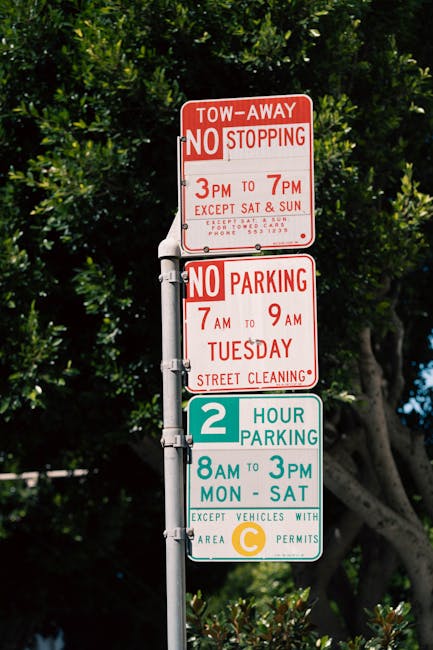
Removals Permits: Road Closure & Loading Rules in Motspur Park
Planning a move in Motspur Park can look straightforward on paper, then suddenly become a bit messy the moment you try to park a van outside a terraced street, block a narrow lane, or keep neighbours happy while sofas and boxes are being carried in and out. That is where Removals Permits: Road Closure & Loading Rules in Motspur Park come into play. If you get the parking, loading, and access side right, the rest of the move usually feels calmer, quicker, and less stressful. If you get it wrong, you may be dealing with delays, complaints, or avoidable fines. Nobody wants that on moving day.
This guide explains how the rules tend to work, when you may need permission, what to check before the lorry turns up, and how to avoid the common traps that catch people out. It is written for real-life moving situations, not just theory. And yes, a little planning now can save a lot of running around later.
- Why it matters
- How the process works
- Key benefits and practical advantages
- Who needs this and when
- Step-by-step guidance
- Expert tips
- Common mistakes to avoid
- Tools, resources and recommendations
- Law, compliance and best practice
- Options and comparison table
- Case study example
- Practical checklist
- Conclusion
- Frequently asked questions
Why Removals Permits: Road Closure & Loading Rules in Motspur Park Matters
In most home or office moves, the vehicle itself is only half the story. The other half is access: where the van can stop, how long it can stay there, whether a bay is reserved, and whether the street can safely cope with loading and unloading. In a place like Motspur Park, where residential roads can be tight and parking can be at a premium, that practical side matters a lot.
If you are moving on a weekday, during school runs, or at a time when the street is already busy, a loading plan becomes more than a nice extra. It becomes a safeguard. You do not want the crew carrying heavy furniture halfway down the road because the van cannot stop near the entrance. That is tiring, slower, and frankly a bit of a headache.
It also matters because local authorities and private landowners may treat loading, waiting, and road use differently. Some moves only need sensible parking and a careful approach. Others may need formal permission for a bay suspension, a temporary traffic arrangement, or a road closure where access is restricted. The key is knowing the difference before move day arrives.
Expert summary: the best moving day is rarely the one with the biggest van. It is the one with the clearest access plan, the least uncertainty, and the fewest surprises at the kerbside.
How Removals Permits: Road Closure & Loading Rules in Motspur Park Works
Let's keep this plain English. A removals permit is usually about permission to use road space in a specific way. That may mean reserving a parking bay, allowing a vehicle to load for a limited period, or arranging for temporary restrictions so the removal can happen safely and legally. Road closures are more formal still and are not something you assume lightly.
Loading rules are the day-to-day part of this. They cover where a removals vehicle can stop, how long it can load, whether it can wait with hazards on, and what to do if the nearest spot is already taken. Different streets, estates, and access roads can have different rules. Some are simple. Some are not. To be fair, the awkward ones are usually the ones with a tight turning circle and two cars parked opposite each other.
Here is the practical flow most people follow:
- Check the street layout and access around both properties.
- Decide whether normal kerbside loading is enough.
- Confirm whether any restrictions apply to the date and time.
- Arrange any required permission well ahead of the move.
- Brief the removals team so they know where to stop and where not to stop.
- Keep a fallback plan ready in case the ideal space is taken.
That fallback plan sounds small, but it saves the day more often than people expect. A neighbour's car, a delivery driver, or a blocked dropped kerb can change things in seconds.
For anyone comparing moving support, it can help to understand the wider service options too. A flexible man and van arrangement is often suitable for smaller, quicker jobs, while larger house moves may need a more structured house removals setup. For business relocations, the planning side can be even more important, so commercial moves often benefit from more detailed access checks.
Key Benefits and Practical Advantages
Getting the permits and loading rules sorted properly is not just about avoiding trouble. It makes the whole move feel sharper and less chaotic. You will notice the difference almost immediately on the morning of the move when the vehicle arrives and there is a clear place to work.
- Less delay: the team can load and unload without hunting for parking every five minutes.
- Lower risk of penalties: proper permission reduces the chance of parking or access problems.
- Safer handling: shorter carrying distances reduce strain and the risk of dropping items.
- Better neighbour relations: fewer disputes about blocked drives, noise, or access.
- Smoother scheduling: the whole move is easier to time, especially if you have a key handover.
- Less stress: and honestly, that counts for a lot on a moving day that already feels busy.
There is also a commercial advantage. If you are moving an office, a stockroom, or equipment-heavy workspace, access problems can interrupt staff, delay opening, and make the day feel much longer than it should. In that situation, services such as office removals or broader office relocation services are usually easier to manage when parking and loading are planned properly.
Who This Is For and When It Makes Sense
Not every move needs formal road permissions. That would be overkill. But many moves in and around Motspur Park do need at least a careful look at access and loading. If you are moving from a quiet cul-de-sac with plenty of verge space, you may only need a sensible loading plan. If you are on a narrower road, near junctions, or in a shared-access setting, the situation changes quickly.
This topic is especially relevant if you are:
- moving from a terraced or semi-detached house with limited front parking
- handling a flat move where the vehicle cannot stop directly outside
- moving office equipment, archive boxes, or bulky furniture
- arranging a same-day handover with tight timing
- using a larger removals van or truck that needs more space to manoeuvre
- working around school traffic, commuter traffic, or busy weekend streets
It also makes sense for anyone who wants the move to be professionally coordinated. A good removals setup is not just about lifting things. It is about planning. That is why many people compare options across removals, removal services, and vehicle-specific choices like removal van support before they commit.
Truth be told, this is one of those areas where a quick assumption can become an expensive mistake. Better to ask the annoying question early than scramble later.
Step-by-Step Guidance
If you want a move to run smoothly, treat access planning as part of the move, not an afterthought. Here is a practical way to approach it.
- Walk the route outside both properties. Look at kerbs, dropped drives, nearby corners, width, and where a van can safely stop.
- Check for restrictions. Pay attention to yellow lines, permit bays, time-limited loading areas, school markings, and private signs.
- Measure the obvious obstacles. Low trees, tight gates, overhanging branches, and awkward bends can all matter more than you expect.
- Decide what kind of vehicle you need. A smaller vehicle can sometimes be a better fit than a large one if the street is narrow.
- Plan the loading point. Decide where boxes, wardrobes, and white goods will be staged so the team is not walking in circles.
- Confirm any permit or permission requirement early. If you are unsure, build in time to check rather than leaving it to the last minute.
- Share the details with the movers. A quick note about access can save a lot of confusion on the day.
- Prepare a backup stop. If the first loading point is blocked, where will the van go instead?
If you are moving home, services such as home moves or support from house movers can be a better fit when you want the loading side handled with a bit more structure. And if the property is particularly awkward, a man with van removal option may suit smaller access windows, although you still need to think through parking first.
A small real-world note: the best outcomes often come from a five-minute site look the day before. Just standing outside, listening to the traffic, noticing where cars naturally gather, and checking where the sun hits the street can tell you a lot. Sounds simple. It is simple. And it works.
Expert Tips for Better Results
Over the years, the most successful moves usually share the same habits. Nothing flashy. Just solid preparation and a bit of realism.
- Book earlier than you think. If a permit or restriction needs attention, last-minute planning is the weakest link.
- Use a smaller vehicle where the street demands it. A slightly smaller van can save time if access is tight.
- Keep the loading area clear. Wheelie bins, bikes, planters, and random boxes become obstacles very quickly.
- Label priority items. Essentials should be the last loaded and first unloaded.
- Plan for weather. Rain changes everything. A wet pavement slows loading and increases handling risk.
- Leave a buffer in the timetable. Even a 20-minute delay can ripple through the whole day.
- Document the plan. One clear message to the removals team beats three half-remembered phone calls.
If the move includes packing help, that can also reduce loading pressure because fewer loose items need to be sorted at the kerb. Some people choose packing and unpacking services for exactly that reason. Less clutter, less decision fatigue. Very underrated.
And if your move is linked to a business or office relocation, think about timing around staff arrivals and deliveries. A clean loading window matters more than people often admit.
Common Mistakes to Avoid
The mistakes are usually not dramatic. They are small, ordinary, and very avoidable. Which is why they sting a bit when they happen.
- Assuming loading is always allowed. Some streets allow short loading only; others do not.
- Forgetting about nearby restrictions. A space may look free but still be restricted at certain times.
- Using the wrong vehicle size. Too big and you cause access problems; too small and you add extra trips.
- Leaving parking to the last minute. That is when neighbours' cars, deliveries, and school traffic collide.
- Not telling the removals team about access issues. A crew can only plan around what it knows.
- Blocking drives or pedestrian routes. Even short-term blockages can upset neighbours or create safety issues.
- Ignoring building rules. Flats, estates, and managed properties may have separate instructions.
If you are trying to keep costs under control, avoid buying the cheapest plan just because it looks convenient. A cheap move with poor access planning often becomes a more expensive move by the end of the day. Funny how that happens.
Tools, Resources and Recommendations
You do not need a huge toolkit, just the right information and a few simple practical tools. Most of the work is planning, not equipment.
| Tool / Resource | What it helps with | Best use |
|---|---|---|
| Street walk-through | Checking parking, width, and access | Before booking the vehicle |
| Simple written move plan | Keeping timings and access notes together | For house and office moves |
| Measuring tape | Assessing furniture and route fit | When large items need manoeuvring |
| Parking observation | Spotting busy periods and pinch points | Useful the day before the move |
| Checklist for both addresses | Reducing missed details | Best for same-day handovers |
For many readers, the most useful recommendation is to work with a removals provider that understands real access problems, not just the packaging side. You will usually get better coordination from a specialist removal company or experienced movers than from a service that only looks fine on paper.
If you are comparing suppliers, also pay attention to pricing and quotes. The cheapest quote is not always the best value if it ignores access complexity, waiting time, or the practical reality of loading in a narrow street.
Law, Compliance, Standards, or Best Practice
Because road use, loading, and parking can involve legal or council-controlled restrictions, it is sensible to treat this as a compliance issue as well as a logistics issue. The exact rules depend on the location, the road type, the time of day, and whether any public highway or private land is involved. So, caution matters here.
Good practice in the UK usually means the following:
- do not assume a vehicle may stop anywhere just because it is for loading
- check whether loading is permitted within any marked bay or restriction zone
- avoid blocking emergency access, driveways, or footways
- follow site-specific instructions for flats, estates, and managed developments
- work with an operator that has sensible safety procedures in place
If the move involves sensitive items, heavy lifting, or a road layout with elevated risk, good practice also includes insurance awareness and safe handling. A reputable provider should be able to explain how they approach risk, loading safety, and item protection. You may find it helpful to review insurance and safety information and the company's health and safety policy before booking.
For business clients, there can also be a broader duty to minimise disruption to staff, visitors, and neighbouring properties. That is why office moves and commercial relocations benefit from a tighter plan than a simple one-van house move. And yes, paperwork is boring, but orderly paperwork beats guessing.
Options, Methods, or Comparison Table
Not every move needs the same level of formality. Here is a simple comparison to help you think it through.
| Approach | Best for | Pros | Watch-outs |
|---|---|---|---|
| Direct kerbside loading | Quiet streets with enough space | Simple, fast, low fuss | May not suit restricted or busy roads |
| Managed loading bay or reserved space | Busier roads and time-sensitive moves | More predictable access | Needs advance planning and possible permission |
| Smaller vehicle with multiple trips | Very tight access or narrow streets | Easier manoeuvring | Can take longer overall |
| Full-service removals support | Large home or office moves | Better coordination, less stress | Higher cost if the scope is bigger |
For smaller loads, a flexible man with a van or removals van can be a practical choice. For more demanding jobs, a more comprehensive removal truck hire setup may make more sense, especially if there are bulky items or multiple rooms to clear.
Choosing the right method is less about "best" in the abstract and more about what the road outside actually allows. That is the bit people forget.
Case Study or Real-World Example
Here is a simple real-world style example. A family in Motspur Park is moving from a two-bedroom house on a narrow residential road to a property a few miles away. The front of the house has limited parking, and the opposite side of the road is often occupied. On move day, a large van would have struggled to stop close enough without blocking traffic or a neighbour's drive.
Instead of leaving it to chance, they checked the road layout in advance, picked a better loading time, and used a vehicle that fit the street more comfortably. They also kept the hallway clear, packed essentials separately, and told the movers exactly where the heaviest items were located. Nothing glamorous. Just good planning.
The result was simple: fewer trips up and down the pavement, less waiting, and a calmer handover. One of those moves where, by late afternoon, everyone could actually breathe a bit. That matters.
Now imagine the same move without that preparation. The van arrives late because it cannot park, boxes wait in the hall, the neighbour wants the drive back, and suddenly everyone is having a conversation they would rather not be having. Same property, same furniture, very different day.
Practical Checklist
Use this checklist before moving day. It is simple, but it catches the details that often get missed.
- Confirm both addresses and access points
- Check whether any road restrictions apply
- Look for yellow lines, bay markings, or private parking signs
- Decide whether the vehicle needs a reserved loading spot
- Tell the removals team about tight roads or awkward corners
- Prepare a fallback stopping point
- Keep driveways, doors, and pathways clear
- Label fragile and priority items
- Protect floors and door frames if needed
- Build in time for delays or parking changes
- Review insurance, safety, and terms before booking
- Keep a contact number handy on the day
It sounds basic because it is basic. But basics are what carry the day when things get busy.
Get a free quote today and see how much you can save.
Conclusion
Removals permits, road closure planning, and loading rules are not the glamorous side of moving, but they are often the difference between a smooth day and a stressful one. In Motspur Park, where access can be tight and parking is often the first challenge rather than the last, a thoughtful plan is worth its weight in cardboard tape.
If you remember only one thing, make it this: do not leave access to guesswork. Check the road, match the vehicle to the space, and make sure everyone involved knows the plan. That one habit saves time, money, and a fair amount of frustration.
And if the whole thing still feels a bit much, that is normal. Most people only move every few years, so it is hardly surprising if the rules, timing, and loading logistics feel slightly overwhelming at first. Take it step by step. You will get there.
Frequently Asked Questions
Do I always need a permit for a removals van in Motspur Park?
No, not always. Many moves can be completed with standard kerbside loading if the street is suitable and no restrictions are being breached. But if parking is limited, a bay is controlled, or access is tight, you may need permission or a more formal plan.
What is the difference between a road closure and a loading restriction?
A loading restriction usually affects where and when a vehicle can stop to load or unload. A road closure is more serious and restricts through-traffic or access more broadly. Most home moves do not need a full road closure, but they may need loading considerations.
How far in advance should I check access rules?
As early as possible. Ideally, check before confirming your move date, then again a few days before moving day. Access situations can change if local parking patterns, works, or other bookings affect the street.
Can I just use my hazard lights and load quickly?
Sometimes people do, but that does not make it automatically acceptable. Whether stopping briefly is allowed depends on the restriction, location, and traffic conditions. It is better to confirm rather than assume.
What if someone parks in the loading space on the day?
Have a backup plan. The vehicle may need to use the nearest safe alternative, or the timing may need to shift slightly. This is one reason why advance planning and a little flexibility help so much.
Are loading rules different for houses and flats?
Often, yes. Flats and managed buildings can have their own instructions about access, lifts, booking slots, or parking. Houses may seem simpler, but a narrow road or shared driveway can create the same kind of problem.
Do smaller vans make permit issues easier?
They can, especially on tight roads where manoeuvring is difficult. A smaller van may fit better and reduce the chance of blocking access. That said, you may need more trips, so there is always a trade-off.
How do I know whether my move needs special loading arrangements?
Look at the street, the parking rules, and the amount of furniture you are moving. If the vehicle cannot safely stop nearby or if loading is likely to block others, special arrangements may be needed.
Should I tell the removals team about every access issue?
Yes. Tell them about tight turns, narrow entrances, low branches, timed parking, and any shared access. The more they know, the better they can plan. This is one of those small things that makes a huge difference.
Is office moving handled differently from house moving?
Usually, yes. Office moves often involve stricter timing, more equipment, and greater concern about business disruption. Access planning is even more important because delays can affect staff and operations.
What should I look for in a removals provider?
Look for clear communication, sensible planning, awareness of loading and access issues, and a straightforward approach to insurance, safety, and pricing. A provider that asks good questions before the move is usually a positive sign.
Can I combine packing help with loading support?
Absolutely, and for many people it is the easier option. If boxes are packed properly and ready to move, loading becomes faster and safer. That can be particularly helpful where road access is limited or the timetable is tight.
What is the best last-minute advice for moving day?
Keep the route clear, keep your phone charged, and keep one calm person in charge of decisions. Honestly, that last point helps more than people expect. A move day can get noisy very quickly, and calm beats chaos every time.
For further peace of mind, you can also explore the company's background on about us, review terms and conditions, and check practical policies like payment and security or recycling and sustainability before you book. Small checks, but useful ones.